Teej on Nepali Calendar
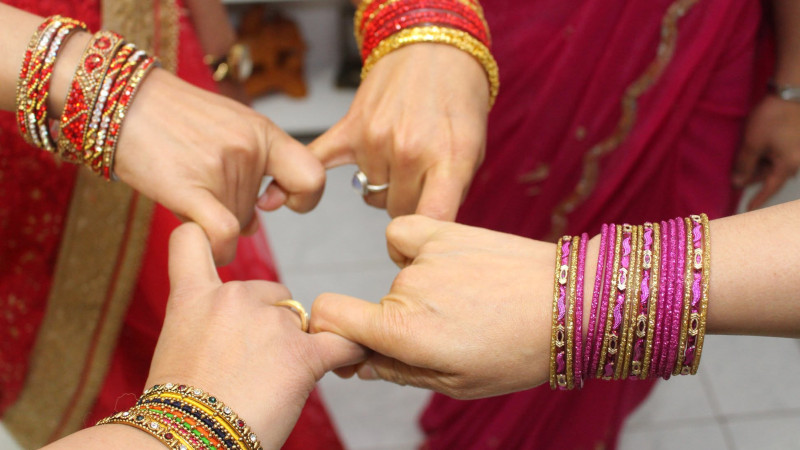
Teej is one of Nepal's most cherished Hindu festivals, celebrated primarily by women with devotion, music, dance and fasting. Dedicated to Lord Shiva and Goddess Parvati, the festival symbolizes marital happiness, family wellbeing, love, patience and spiritual strength.
🗓️ Teej Dates for 2026 / 2083
| Name | Date (AD) | Date (BS) | Day | |
|---|---|---|---|---|
| Dar Khane Din | 13 Sep 2026 | Bhadra 28 | Sunday |  |
| Haritalika | 14 Sep 2026 | Bhadra 29 | Monday | |
| Rishi Panchami | 15 Sep 2026 | Bhadra 30 | Tuesday | |
Although Teej is deeply rooted in Hindu traditions, today it has also become a cultural celebration that brings together families, friends and communities across Nepal. Streets become colorful with women dressed in bright red saris, temples remain crowded from early morning, and traditional Teej songs echo throughout villages and cities alike.
What is Teej?
Teej is a Hindu festival observed during the month of Bhadra according to the Nepali calendar. The festival commemorates Goddess Parvati's unwavering devotion and long penance to marry Lord Shiva. According to Hindu scriptures, Parvati undertook severe fasting and meditation over many lifetimes before Shiva accepted her as his wife.
Inspired by her devotion, married women fast and pray for the long life, health and prosperity of their husbands, while unmarried women seek blessings for a loving and compatible future partner. Today, many women also observe Teej as a personal spiritual journey rather than solely for marriage-related wishes.
The Story Behind Teej
According to Hindu mythology, King Himavat wished to marry his daughter Parvati to Lord Vishnu. However, Parvati had already devoted herself to Lord Shiva.
To avoid the arranged marriage, Parvati's close friends secretly took her into a dense forest where she performed intense meditation and fasting. Her determination impressed Lord Shiva, who finally accepted her as his wife.
The word "Haritalika" comes from Sanskrit:
- Harit - abducted or taken away
- Alika - female friend
The name reflects how Parvati's friends protected her so she could pursue the life she truly desired.
This story has gained renewed relevance today, as many people interpret it as a celebration of women's determination, personal choice and resilience alongside its religious significance.
Important Days - How Teej is Celebrated
1. Dar Khane Din
The celebrations usually begin with Dar Khane Din, literally meaning "the day of feasting."
Women gather with relatives and friends to enjoy delicious food before the fasting day. Homes are filled with laughter, dancing and traditional songs that often continue late into the night.
Popular foods include:
- Sel Roti
- Kheer (rice pudding)
- Mutton curry
- Chicken curry
- Yomari in some communities
- Seasonal fruits
- Sweets
2. Haritalika - The Fasting Day
The main day of Teej involves fasting and prayers. Some women observe a strict fast without food or water, while others choose a lighter fast depending on their health and family traditions.
Many spend the day visiting Shiva temples, particularly the famous Pashupatinath Temple in Kathmandu.
Devotees offer:
- Flowers
- Bel leaves (Belpatra)
- Milk
- Fruits
- Incense
- Sacred water
Traditional dances and devotional songs continue throughout the day, creating a joyful rather than solemn atmosphere.
3. Rishi Panchami
The festival concludes with Rishi Panchami, when many women perform purification rituals and worship the Sapta Rishis (Seven Great Sages). This day symbolizes spiritual cleansing and gratitude.
Why Women Wear Red During Teej
Red represents prosperity, love, fertility and marital happiness in Hindu tradition. Married women often wear:
- Red sari
- Green bangles
- Gold jewelry
- Tilhari
- Pote necklaces
- Mehendi (henna)
Today, fashion has become part of the celebration, with many women blending traditional attire with modern styles while respecting cultural values. Men are also taking part in the celebration to cherish the family values.
The Importance of Teej Songs
One unique aspect of Nepali Teej is its rich tradition of songs.
Historically, Teej songs provided women with a rare opportunity to openly express their emotions, struggles, hopes and experiences through music.
Traditional themes include:
- Family relationships
- Marriage
- Life after marriage
- Love
- Migration
- Social inequality
- Women's empowerment
- Political commentary
Teej Beyond Nepal
Large Nepali communities celebrate Teej around the world, including Australia, the United Kingdom, the United States, Canada, Japan, South Korea and countries in the Middle East.
Community organizations often organize:
- Cultural programs
- Traditional dance competitions
- Temple gatherings
- Family picnics
- Charity events
For many Nepalis living abroad, Teej serves as an important connection to their cultural identity.
Frequently Asked Questions
When is Teej celebrated?
Teej is celebrated during the Nepali month of Bhadra. The exact Gregorian date changes each year.
Do all women observe a strict fast?
No. Many women adapt the fast according to their health, age and personal beliefs.
Can unmarried women celebrate Teej?
Yes. Unmarried women also participate and pray for happiness, wisdom and a suitable life partner.
Why is red the main color of Teej?
Red symbolizes prosperity, marital happiness, love and good fortune in Hindu culture.
Where is the biggest Teej celebration held?
Pashupatinath Temple in Kathmandu hosts one of the largest Teej gatherings in Nepal.