Tamu Lhochhar on Nepali Calendar
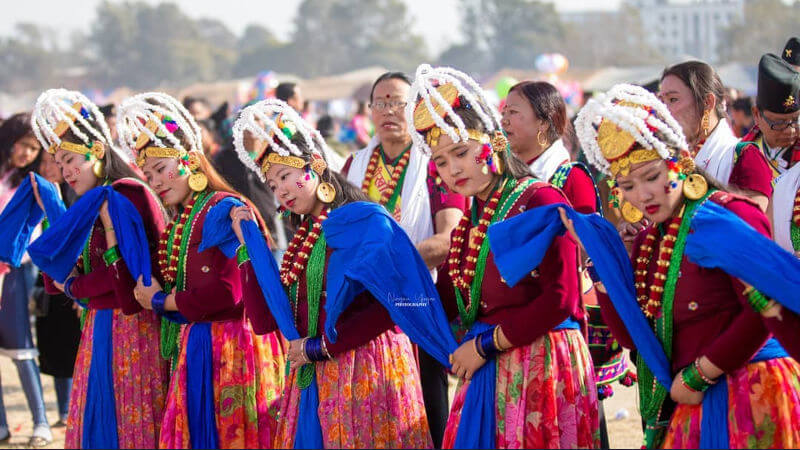
Tamu Lhochhar is the traditional New Year festival of the Gurung (Tamu) community of Nepal. It is usually celebrated in late December, marking the beginning of the new year according to the Tamu Sambat calendar. For Gurungs across Nepal and abroad, Tamu Lhochhar is not just a date change, but a celebration of identity, ancestry and cultural continuity.
🗓️ Tamu Lhochhar Date for 2026 / 2083
| Name | Date (AD) | Date (BS) | Day | |
|---|---|---|---|---|
| Tamu Lhochhar | 30 Dec 2026 | Poush 15 | Wednesday |  |
Is Tamu Lhochhar a Public Holiday?
Tamu Lhochhar is a public holiday according to the Ministry of Home Affairs. Banks, schools, and government offices will be closed.
Meaning of Tamu Lhochhar
The term "Tamu" refers to the Gurung people, "Lo" means year or age, and "Chhar" or "Lhochhar" means change or cycle. Together, Tamu Lhochhar signifies the changing of the year and the beginning of a new cycle.
Each year in the Tamu calendar is associated with an animal symbol, similar to the twelve-animal cycle found in Tibetan and Chinese traditions. These symbols influence how people view the coming year in terms of fortune, health and harmony.
Historical and cultural background
Tamu Lhochhar has its roots in ancient Himalayan traditions influenced by Tibetan Buddhism, Bon practices and indigenous Gurung customs. Historically, the festival was closely tied to seasonal changes, agricultural cycles and community gatherings during winter, when travel and farming activities slowed down.
Over time, the celebration evolved from small village rituals into large public cultural events, especially in cities like Pokhara, where Gurung communities are well established.
How Tamu Lhochhar is celebrated
1. Cultural dress and ornaments
One of the most striking features of Tamu Lhochhar is traditional attire. Gurung men and women wear colorful cultural dresses, silver ornaments and headgear that reflect their clan and regional identity.
2. Traditional dances and music
Cultural programs are central to Tamu Lhochhar. Dances such as Ghatu, Sorathi and other community dances are performed with traditional drums and instruments. These performances are not only entertainment but also a way of passing history and values to younger generations.
3. Rituals and prayers
Many families begin the day with prayers at home or in community spaces, offering respect to ancestors, nature and protective deities. Monks or community elders may conduct short rituals seeking peace, prosperity and good health for the coming year.
4. Community feasts
Food plays an important role during Tamu Lhochhar. Traditional dishes, homemade rice-based foods and local beverages are shared among family members and guests. The emphasis is on togetherness rather than extravagance.
Celebrations in major cities
In Kathmandu, large gatherings are often held in open grounds or community halls, featuring cultural processions and stage programs. In Pokhara, which has a strong Gurung population, celebrations can be more elaborate and deeply rooted in local tradition.
Smaller towns and villages celebrate in a more intimate way, often centered around family homes and local monasteries.
Frequently Asked Questions (FAQ)
Who celebrates Tamu Lhochhar?
Tamu Lhochhar is primarily celebrated by the Gurung (Tamu) community of Nepal, though people from other communities often participate in public events.
Is Tamu Lhochhar a public holiday in Nepal?
Yes, Tamu Lhochhar is a nationwide public holiday in Nepal.
Is Tamu Lhochhar religious or cultural?
It is both cultural and spiritual. The festival includes rituals and prayers but also focuses heavily on cultural expression and community bonding.