Saphala Ekadashi on Nepali Calendar
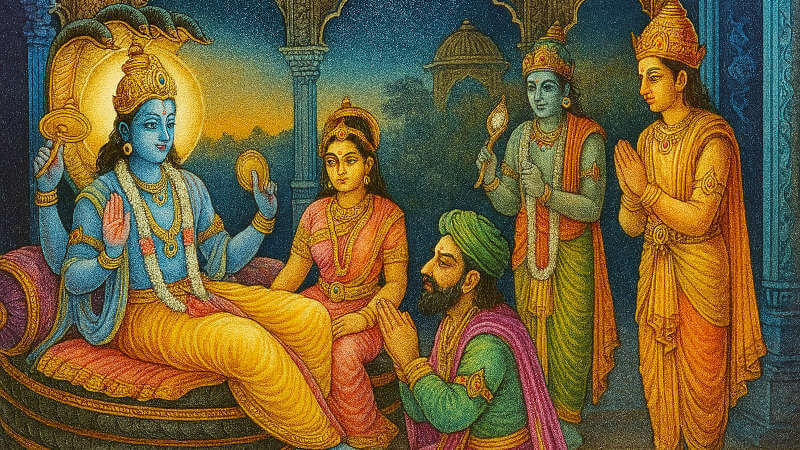
Saphala Ekadashi (often written "Safala Ekadashi") falls in Poush - the waning phase of the lunar month - and is observed as a sacred Ekadashi dedicated to Lord Vishnu. It is traditionally viewed as an especially auspicious Ekadashi: devotees fast, perform puja, read the Ekadashi katha and break their fast (parana) the following day at an auspicious time.
🗓️ Saphala Ekadashi Date for 2026 / 2083
| Name | Date (AD) | Date (BS) | Day | |
|---|---|---|---|---|
| Saphala Ekadashi | 3 Jan 2027 | Poush 19 | Sunday |  |
What Saphala Ekadashi means
The Sanskrit word "saphala" or "safala" can be translated as "fruitful" or "successful." Saphala Ekadashi is considered a day that yields spiritual benefit: devotees believe sincere fasting and worship on this day bring success, removal of obstacles and blessings from Lord Vishnu. Mythological stories linked to Ekadashi fasting appear in Puranic literature, where Lord Krishna instructs why these fasts are powerful.
Typical rituals and observances
1. Preparing for the fast
Devotees usually avoid grains and certain stimulants the day before Ekadashi (on Dashami) and eat a simple meal that leaves no residue in the stomach. Many follow either a nirjala (no-water) or a jala (water-allowed) fast depending on family practice, health and guidance from elders or priests. Though, it is advised to drink plenty of water to avoid being dehydrated.
2. Puja and katha
On the Ekadashi tithi devotees perform Vishnu puja: they light lamps, offer flowers and fruits, chant Vishnu names and read or listen to the Saphala Ekadashi katha. Community temples may hold group ceremonies and recitations. You can read this Ekadashi katha here.
3. Parana - breaking the fast
Parana (breaking the fast) is performed at a prescribed time on Dwadashi (the day following Ekadashi) after ensuring the tithi has ended and the auspicious muhurta is reached. Observing parana at the correct time is considered important to complete the barta properly.
4. Charity and community acts
Many families use the day to perform dana (charity) - feeding priests, the poor or donating to temple upkeep. Charity is traditionally seen as magnifying the merit of the barta.
Regional practice in Nepal
Saphala Ekadashi is observed throughout Nepal where Vaishnava traditions are present. In Kathmandu Valley, devotees may visit well-known Vishnu temples and participate in group pujas; in smaller towns and villages the ritual commonly takes place at home shrines with family members.
Health, fasting and modern science
Fasting on Ekadashi is primarily spiritual, but modern research on intermittent fasting and time-restricted eating shows measurable health effects that overlap with some traditional claims. Scientific reviews find that intermittent fasting can improve glucose homeostasis, reduce markers of inflammation and support weight management when done safely.
These findings do not replace traditional spiritual reasons, but they help explain why periodic fasting may have physical as well as mental benefits. If you have a medical condition, consult a health professional before attempting a strict fast.
FAQ
When is Saphala Ekadashi this year?
Saphala Ekadashi falls on Poush Krishna Ekadashi - the exact Gregorian date changes yearly. For yearly dates, check Nepcalendar.
What should I eat when I break the fast?
Traditional parana meals vary by family; many break the fast with light, sattvic foods - boiled rice, fruit, milk-based preparations and simple vegetable dishes. People avoid grains on Ekadashi itself and resume normal meals after parana. Follow your priest's or doctor's guidance if you have health needs.