Bala Chaturdashi on Nepali Calendar
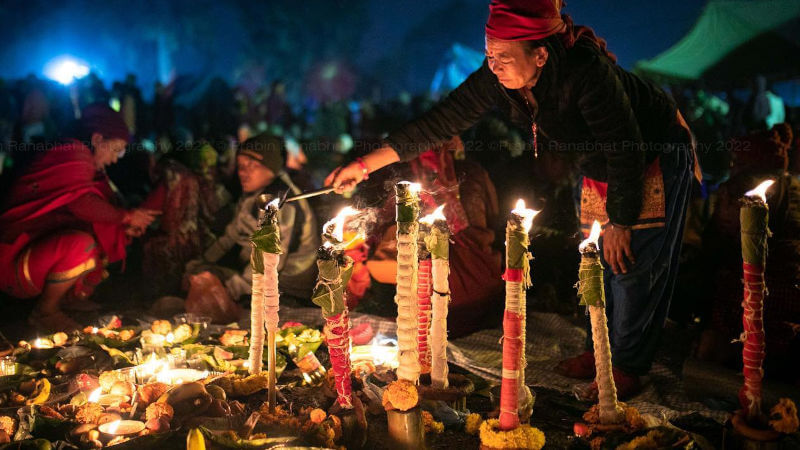
Bala Chaturdashi is a solemn and much-loved Nepali ritual in which people remember deceased family members and pray for their peace. The day blends spiritual practice, community observance and an ecological gesture - sowing seeds for the departed. This article explains the meaning, timing, key rituals and regional variations.
🗓️ Bala Chaturdashi Date for 2026 / 2083
| Name | Date (AD) | Date (BS) | Day | |
|---|---|---|---|---|
| Bala Chaturdashi | 7 Dec 2026 | Mangsir 21 | Monday |  |
Why Bala Chaturdashi matters
Bala Chaturdashi is primarily an ancestral rite. Many Nepali families believe that prayers, offerings and specific rituals on this day can ease the journey of departed loved ones and secure blessings for the living. Over time the festival has also taken on an ecological note - scattering seeds is a symbolic act that connects memory with new life.
Key rituals and how people observe the day
1. Staying awake and lighting lamps
On the night before Bala Chaturdashi many devotees keep a lamp burning and stay awake, reciting prayers and mantras. This vigil is a way to honour ancestors and maintain spiritual focus until the Chaturdashi tithi. Devotees often gather at temples or at home shrines.
2. Bathing and ritual purification
On the morning of Bala Chaturdashi, people perform ritual baths in rivers, ponds or at sacred ghats. Bathing is followed by offerings and prayers for the peace of souls. Many who cannot travel to major temples do the ceremonies at local water bodies.
3. Satbij - mixing and sowing seven seeds
A unique and visible feature of Bala Chaturdashi is the mixing of seven kinds of grains or seeds (called "satbij") which are then scattered or sown in specific sacred spots such as the Sleshmantak forest opposite Pashupatinath or other consecrated grounds. The act symbolises life, remembrance and a prayer for the departed souls to be reborn or attain peace.
4. Offerings at temples and memorials
Families visit temples - most notably Pashupatinath in Kathmandu - to perform puja, light oil lamps, and make food or flower offerings. Priests may chant mantras and sometimes specific rites are performed for those who died under unusual circumstances or were not cremated.
Regional variations and modern practice
While Pashupatinath draws large numbers of pilgrims, villages and towns across Nepal observe Bala Chaturdashi in local ways. Some communities emphasise the seed-sowing and ecological angle, while others focus more on temple-based rites. In recent years the festival has been discussed as a way to link traditional remembrance with environmental restoration - scattering seeds in burned or sacred groves helps both memory and nature.
What to bring and how to observe respectfully
- Bring simple offerings - flowers, oil for lamps, and non-perishable food items where allowed.
- If you join a public ritual at a temple or river, follow the lead of local priests and organisers - dress modestly and behave quietly during prayers.
- When scattering seeds, use the mix provided by the temple or community rather than your own seed packet - some seeds are specific to the ritual and sacred spots have rules to protect local ecology.
- Respect restrictions around photography in holy areas like Pashupatinath and follow any guidance about cremation grounds and memorial spaces.